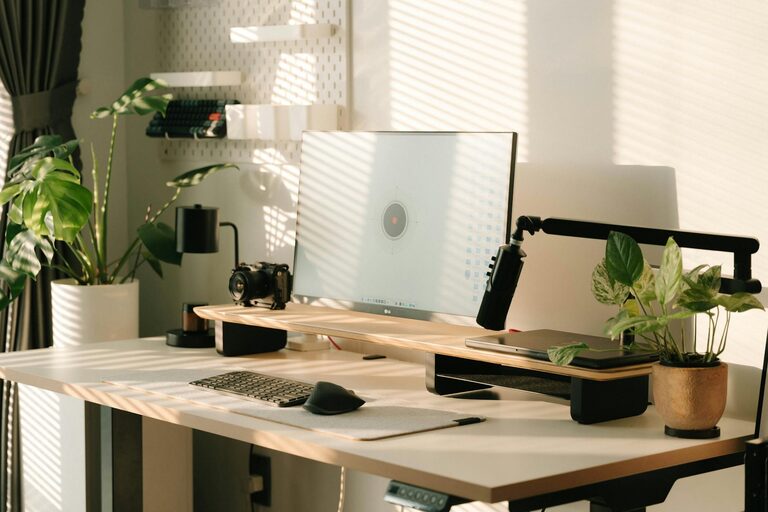
Working from home has become a common part of life for many people. Whether you’re a full-time remote worker, a freelancer, or just occasionally working from home, having a dedicated, well-designed home office space can make a big difference in your productivity and overall comfort. In this post, we’ll cover practical tips to help you create a productive home office space tailored to your needs.
Why a Dedicated Home Office Matters
When your workspace is organized and designed with productivity in mind, you’re more likely to stay focused and motivated. A home office can help create clear boundaries between your work and personal life, reducing distractions and stress.
Benefits of a Productive Home Office
– Improved focus and concentration
– Reduced physical discomfort
– Clear separation of work and leisure spaces
– Better organization and efficiency
– Enhanced motivation and mood
Choose the Right Location
Selecting the right spot for your home office is the first step in setting yourself up for success. Here are some things to consider:
Find a Quiet Area
Look for a part of your home that’s away from noise and high-traffic areas. This will help you minimize distractions and maintain concentration.
Consider Natural Light
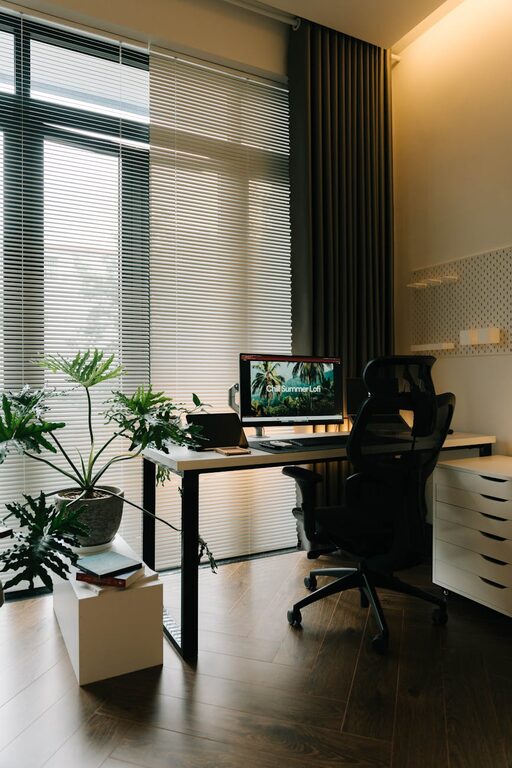
Ideally, choose a space near a window to take advantage of natural light. Natural light can boost your mood, reduce eye strain, and regulate your body clock.
Evaluate Space and Comfort
Make sure the space is large enough for your desk, chair, and any other equipment or storage you may need. Avoid cramped areas where you might feel confined.
Invest in Ergonomic Furniture
Comfort plays an important role in how productive you feel. Investing in ergonomic furniture reduces strain and the risk of discomfort during long work hours.
Desk
Choose a desk that suits your work style. A spacious surface with enough room for your computer, paperwork, and accessories is ideal.
Chair
Select an adjustable office chair with good lumbar support. Proper seating alignment helps prevent back pain and fatigue.
Additional Equipment
Consider accessories like a keyboard tray, monitor riser, or footrest to maintain a healthy posture.
Organize Your Workspace
An organized workspace helps you stay on top of tasks and reduces stress.
Declutter Regularly
Keep only essential items on your desk. Store other supplies in drawers or shelves to maintain a clean and tidy space.
Use Storage Solutions
Use file organizers, boxes, or drawer dividers to store paperwork and office supplies neatly.
Cable Management
Keep cords and cables under control with cable clips, sleeves, or ties. This not only looks neat but reduces tripping hazards.
Optimize Lighting
Good lighting helps reduce eye strain and keeps you alert.
Layer Your Lighting
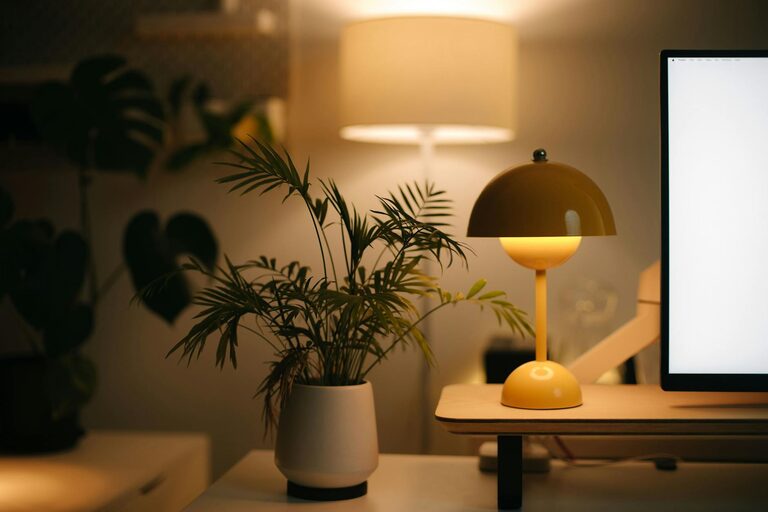
Combine natural light, overhead lighting, and task lighting. A desk lamp with adjustable brightness can help when working in the evening.
Avoid Glare
Position your computer screen to avoid glare from windows or lights. This reduces eye fatigue.
Personalize Your Space
Adding personal touches makes your workspace inviting and inspiring.
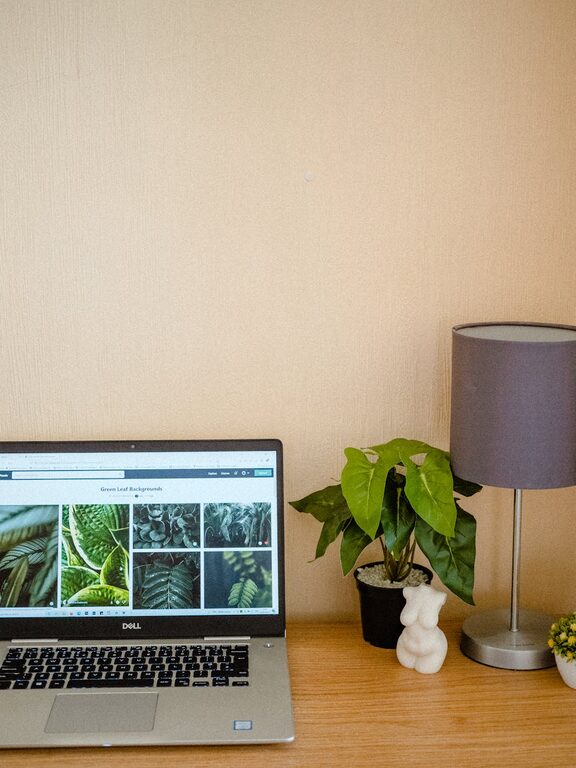
– Add plants to improve air quality and bring life to your office.
– Use artwork or photos that motivate you.
– Choose colors that energize or calm you depending on your preference.
Minimize Distractions
To stay productive, limit interruptions as much as possible.
Set Boundaries
Communicate your work hours to family or housemates. Use signs or closed doors to signal when you shouldn’t be disturbed.
Control Noise
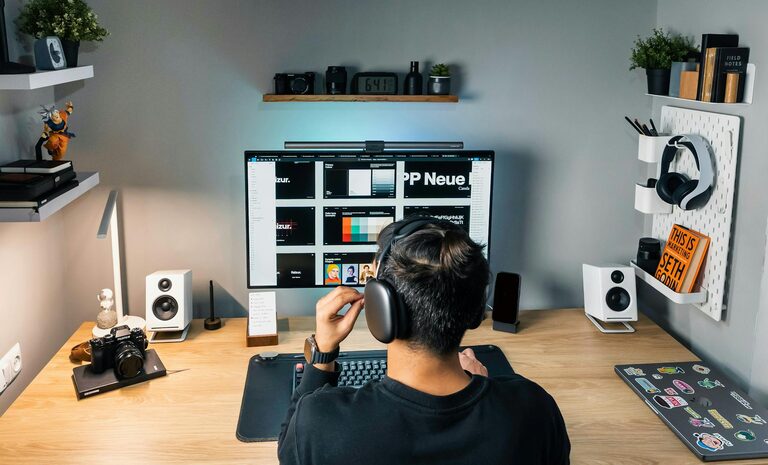
Consider noise-canceling headphones or ambient background sounds if your environment is noisy.
Establish a Routine
Having a consistent schedule helps your brain switch into work mode.
Set Regular Work Hours
Try to start and end your workday at the same time every day.
Take Breaks
Short breaks during work improve focus and prevent burnout. Stretch, walk, or do a quick mindfulness exercise.
Keep Technology Updated
Ensure your technology supports your productivity.
– Use a reliable internet connection.
– Keep software updated to avoid interruptions.
– Consider dual monitors or additional peripherals if it helps your workflow.
Final Thoughts
Creating a productive home office space is a valuable investment in your work and well-being. By selecting the right location, organizing thoughtfully, and prioritizing comfort, you make it easier to stay focused and motivated throughout the workday. With these tips, you can design a home office that works for you and makes remote work feel seamless and enjoyable.
About the Author